

10 Gear Mistakes That Turn Hunts Costly
The gear mistakes that turn costly hunting trips into wasted tags almost always trace back to five failures: dead batteries, noisy or wrong clothing, poorly balanced packs, loose optics and mounts, and skipping the pre-trip test. Run this before you leave the truck: squeeze every zipper and buckle for noise, dry-fire your rangefinder and headlamp, shake your pack to check for shifting weight, and confirm your scope holds zero after the drive. One breakdown of blown hunting opportunities found that most missed shots trace back to gear nobody double-checked, not gear that failed outright.
- Test batteries in rangefinder, headlamp, and GPS the night before
- Check scope and ring torque after any drive or flight
- Shake-test your loaded pack for shifting or rattling gear
- Squeeze-test zippers, Velcro, and buckles for noise
- Pack one spare battery, one multi-tool, and a basic first-aid kit
Key Takeaways
The gear mistakes that turn hunts costly are rarely dramatic, and preventing them costs less time than most hunters assume.
| Point | Details |
|---|---|
| Run the five-minute check | Test batteries, torque scope rings, and shake-test your pack before you leave the truck. |
| Re-zero after transport | Fire a confirmation round every time your rifle travels, no matter how careful the drive was. |
| Stop skimping on small parts | Cheap rings, swivels, and mounts fail under load and undo the value of expensive optics. |
| Test new gear early | Break in boots, packs, and optics on practice hikes weeks before opening day, not the morning of. |
| Organize spares in one kit | A dedicated repair and first-aid kit, like Fs9tactical’s emergency survival kit, keeps essentials from getting lost in a loaded pack. |
Table of Contents
- Gear Mistakes That Cost You Hunting Trips (and How to Fix Them)
- Your Pre-Hunt Checklist and Quick Field Tests
- Maintenance You Can’t Skip Between Seasons
- Why Small Gear Failures Cost More Than Big Breakdowns
- The Repair Kit That Saves a Hunt in Progress
- Protecting Your Permits and Paperwork
- Practicing With New Gear Before Opening Day
- Calibration Mistakes That Wreck Accuracy in the Field
- Storage and Transport That Protects Your Investment
- Gear Choices and Their Environmental Footprint
- Why the “One Big Mistake” Story Is Wrong
- Field-Tested Gear That Prevents These Mistakes Before They Happen
- Frequently Asked Questions
- Sources
Gear Mistakes That Cost You Hunting Trips (and How to Fix Them)
Most gear failures in the field aren’t dramatic. They’re small, boring, and completely preventable. Here are the ten that show up most often, ranked by how quietly they wreck a hunt.
1. Wrong clothing or footwear for the conditions. Overdressing for the walk in, then freezing once you sit still, is one of the most common early-season gear mistakes hunters make. Sweaty base layers chill fast at dawn, and the wrong tread on wet rock or scree costs you both traction and quiet footing. Layer for the stand, not the hike, and test your boots on similar terrain before opening day.
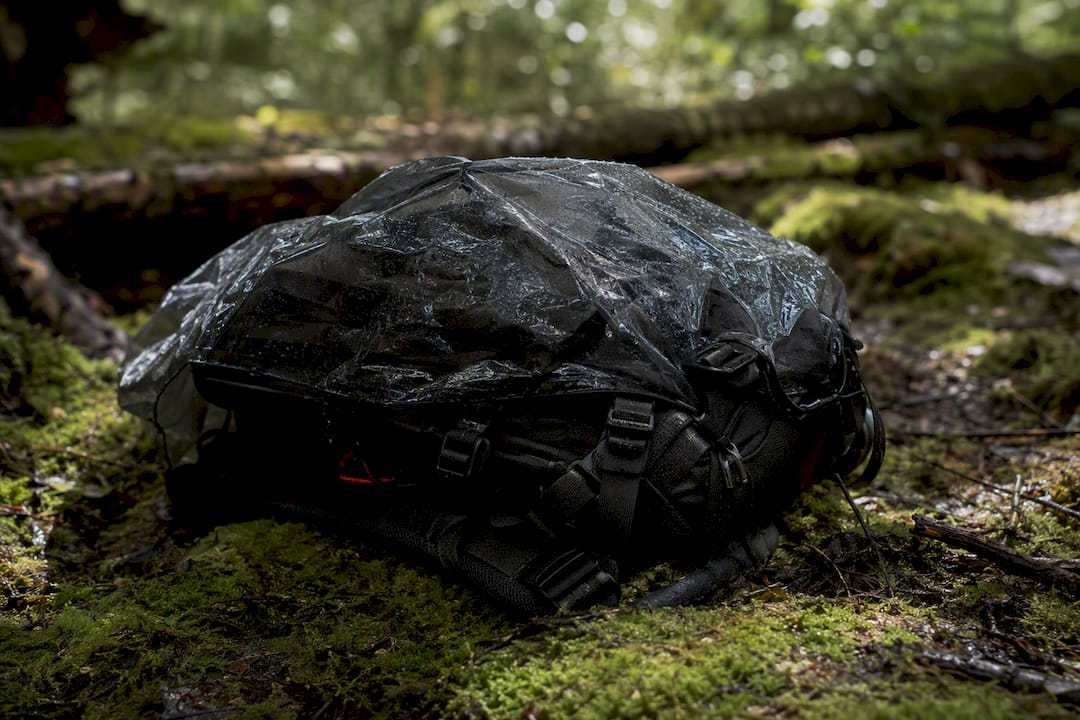
2. Not waterproofing critical gear. A soaked pack, a fogged rangefinder, or a wet permit in your pocket can end a hunt as fast as bad weather itself. Dry bags and pack covers solve most of this for a few dollars; a waterproof rifle case solves it for your optic and action.
3. Dead or missing batteries. Rangefinders, headlamps, and GPS units all die at the worst moment, and cold weather drains them faster than you’d expect. Keep one spare set in a dedicated, labeled pouch, not loose in a side pocket where you’ll never find it in the dark.
4. Loose optics and mounts. A scope that wanders off zero after a bumpy truck ride is one of the most common and costly optics errors hunters make. Check ring screws with a torque driver before every trip, not just when you notice a problem.
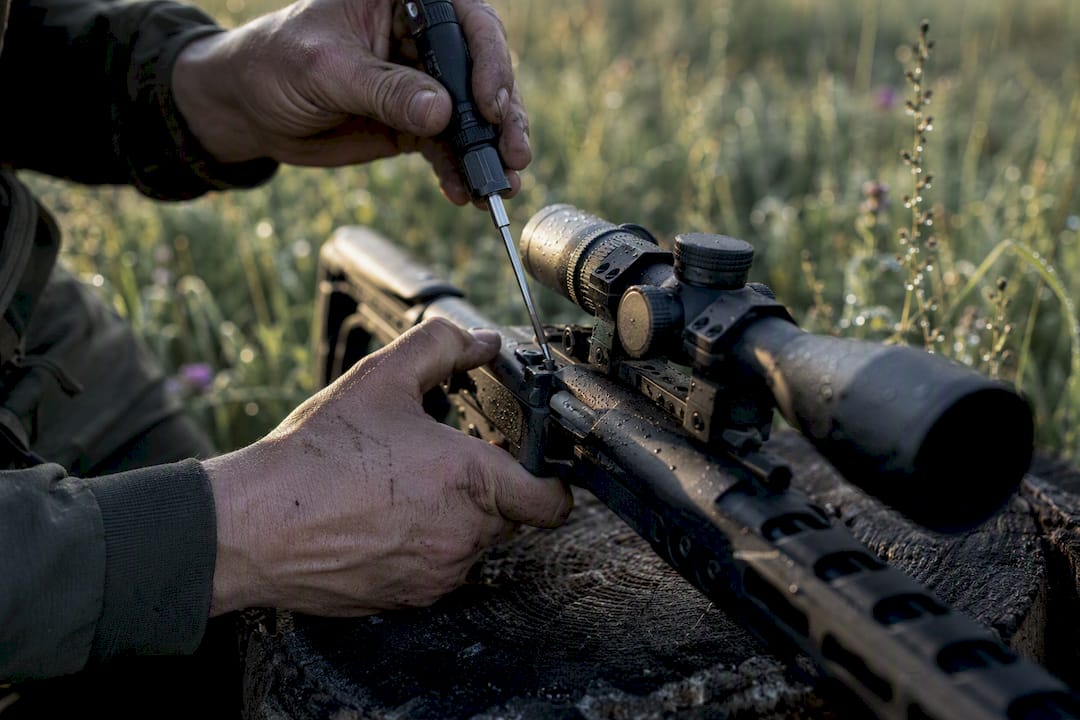
5. Skipping the post-transport zero check. Airline handlers and rough roads move rifles more than you think. Fire two confirmation rounds at a known distance before you hunt, every single time, no exceptions.
6. Skipped maintenance. Old bowstrings, corroded firearm actions, and worn sling studs fail exactly when you need them most, and bowhunters especially lose shots to neglected gear rather than bad shooting.
7. Noisy gear. Rattling zipper pulls, Velcro that rips like a gunshot, and loose carabiners announce you before you see game. Run a squeeze test on every closure the night before; tape or replace anything that makes noise.
8. Overpacking and poor pack balance. A top-heavy or unevenly loaded pack causes fatigue and forces you to shift weight audibly on every step. Backcountry hunters who overpack burn energy they need for the actual stalk.
9. Cheap critical components. Skimping on scope rings, sling swivels, or mounts is a false economy: a $2,000 rifle with a $15 mount is only as reliable as its weakest part, as experts on scope mounting explain.
10. No safety or repair essentials. A missing multi-tool or first-aid kit turns a minor gear failure into a trip-ending problem.
Pro Tip: Apply thread locker to scope ring screws and torque them to the manufacturer’s spec. It costs five minutes and prevents the single most common cause of wandering zero.
Your Pre-Hunt Checklist and Quick Field Tests
Run these in the last 15 minutes before you leave the truck:
- Boots: laced tight, tread checked against terrain type
- Batteries: fresh in rangefinder, headlamp, GPS, with one spare set packed
- Optics: fire a confirmation round to verify zero held during transport
- Pack: shake-test loaded for shifting weight or rattling gear
- Noise: squeeze-test zippers, Velcro, and buckles
- Weatherproofing: pack cover on, electronics in dry bags
If your rangefinder reads blank, switch to a rangefinder app as backup and mark your estimate on a landmark. If your scope won’t hold zero after the confirmation shot, re-torque the rings on the spot or fall back to iron sights if you have them.
Maintenance You Can’t Skip Between Seasons
A simple rhythm prevents most costly failures: pre-season deep clean and zero check, a mid-season inspection of straps and treads, and post-season storage in a dry, padded case.
- Clean firearm actions or bow cams after every hunt, not just once a season
- Inspect sling studs, swivels, and buckles for wear before they snap under load
- Check boot tread and re-waterproof seams before they leak
- Replace old bowstrings before they fray past safe use
- Carry spare sling swivels, scope screws, and a small waterproofing kit in your repair pouch
Pro Tip: Most hunters skip torque-checking their scope rings between seasons entirely. A $20 torque driver and five minutes catches loose screws before they cost you a shot.
Why Small Gear Failures Cost More Than Big Breakdowns
Experienced hunters rarely lose a trip to one catastrophic failure. It’s the accumulation: a slightly damp base layer, a pack that rides two inches off center, a zipper that clicks once too loud near a stand. One field-tested insight from The Avid Outdoorsman puts it plainly:
Many hunters assume failures are dramatic single events. In truth, the most costly mistakes are incremental and cumulative: sweaty layers, noisy gear, or a slightly unbalanced pack that saps performance over a day.
Practitioners at The MeatEater recommend a two-stage test: a hardware check at the truck, then a full hour walking loaded before the season starts.
Pro Tip: Field-test any new boot, pack, or optic on a loaded day hike weeks before opening day, not the morning of.
The Repair Kit That Saves a Hunt in Progress
A first-aid kit and a multi-tool are the two items hunters most often assume they won’t need, right up until they do. A torn boot lace, a loose scope screw, or a small cut can end a day in the field if you’re not carrying the fix.
What belongs in a minimal field repair kit:
- Compact first-aid supplies: gauze, antiseptic, moleskin for blisters, a compression bandage
- A quality multi-tool with pliers, a screwdriver head, and a small blade
- Spare screws for scope rings and sling mounts
- Duct tape wrapped around a lighter or trekking pole
- Extra paracord for repairs or emergency rigging
The real mistake isn’t forgetting one item. It’s assuming your pack is complete because it looks full. A dedicated pouch, kept in the same spot in your pack every trip, means you’re not digging through loose gear when something breaks. Organizing these essentials into one grab-and-go emergency kit removes the guesswork entirely, since everything lives in one place instead of scattered across pockets.
Weight matters here too. A repair kit doesn’t need to be heavy to be useful. Most of what stops a hunt cold, a torn strap, a bleeding knuckle, a stripped screw, weighs less than a pound to fix. The hunters who never seem to have an emergency are usually the ones who packed for one.
Protecting Your Permits and Paperwork
A soaked hunting license or a permit that’s smeared past legibility can turn a legal hunt into a conversation with a game warden you don’t want to have. Paper documents don’t survive rain, sweat, or a dunk in a creek crossing, and most hunters store them in the same pocket as everything else.
A few habits fix this permanently:
- Store permits, licenses, and tags in a zip-top waterproof bag or a dedicated document pouch
- Keep a photo of every permit on your phone as backup, stored offline in case of no signal
- Laminate paper tags if your state still issues them physically
- Check regulations on whether a digital copy satisfies your state’s carry requirement before relying on it alone
Some states now allow digital licenses through official apps, but plenty still require a physical tag attached to harvested game. Know your state’s rule before the season starts, not after a warden asks to see paper you don’t have. A five-dollar waterproof pouch solves a problem that can otherwise cost you a citation or a confiscated harvest. It’s the cheapest insurance in your entire pack.
Practicing With New Gear Before Opening Day
A brand-new bow, rifle, or pack that hasn’t left the store shelf is a liability in the field, not an advantage. New treestand harnesses have unfamiliar buckles. New bows shoot differently once a rest or sight has been adjusted. New boots blister feet that haven’t broken them in.
Field-testing new gear on short trips uncovers ergonomic and mechanical problems that never show up in a living room. A pack that feels fine empty rides completely differently loaded with 40 pounds for six hours. A rifle scope mounted the week before season needs more than one range session to confirm zero holds under field conditions, not just from a bench.
The fix is simple and almost nobody does it: treat opening week like a test, not a debut. Wear new boots on at least two practice hikes of similar distance and terrain. Shoot your bow or rifle in the actual clothing layers you’ll wear hunting, since a bulky sleeve changes your draw or your cheek weld. Walk a full day with your loaded pack before you need it to perform for eight hours straight. Gear that’s never been stressed under real conditions is still an unknown quantity, no matter how good it looked in the store.
Calibration Mistakes That Wreck Accuracy in the Field
A scope zeroed at the range in 70 degree weather doesn’t always hold true at 20 degrees on a mountain at elevation. Temperature swings, altitude changes, and different ammunition lots all shift point of impact more than most hunters expect, and rangefinders need their own settings checked for the terrain you’re actually hunting.
The calibration checks that matter most:
- Re-zero, or at minimum confirm zero, after any significant elevation or temperature change from where you sighted in
- Set your rangefinder’s angle compensation mode correctly for steep terrain, since a flat-ground setting will misjudge shots on a hillside
- Check GPS unit settings for the correct map datum and units before you rely on it to navigate out
- Confirm your bow sight pins after any string change, since even a fractional twist changes point of impact
The mistake isn’t owning good technology. It’s assuming a single zero session from months ago still applies once conditions change. Recalibrating takes ten minutes at the truck and prevents the kind of miss that has nothing to do with your shooting and everything to do with a setting nobody rechecked.
Storage and Transport That Protects Your Investment
Gear gets damaged more often during transport than during actual use. A rifle tossed loose in a truck bed, a bow bounced around an unpadded case, or optics stacked under heavier gear in a duffel all take abuse that shows up as a wandering zero or a cracked lens right when you need reliability most.
Plan your transport the way you’d plan the hunt itself. A hard or padded rifle case keeps a scope from taking impact damage on rough roads, and confirming zero again once you arrive is the cheap insurance that catches any shift before it costs you a shot. Store firearms and bows separately from boots, fuel, or anything with an odor that transfers, and keep ammunition in a dedicated case instead of loose in a duffel where recoil pads and rings can get crushed.
Between seasons, storage matters just as much as transport. Firearms and bows left in a hot truck cab or a damp garage corrode faster and warp components you won’t notice until the failure happens in the field. A climate-stable case with proper padding costs less than a single replacement scope, and it protects an investment that’s often worth thousands of dollars.
Gear Choices and Their Environmental Footprint
What you carry into the woods leaves a footprint whether you notice it or not. Single-use hand warmers, disposable scent-elimination sprays, and cheap gear that fails and gets left behind all add up across a season of hunts, and public land absorbs the cost when hunters don’t plan around it.
Choices that reduce the impact without adding hassle:
- Choose rechargeable batteries for headlamps and rangefinders over disposables when your trip length allows it
- Pack out every piece of trash, including spent shell casings and broken gear, not just food wrapping
- Favor durable gear that lasts multiple seasons over cheap replacements that end up in a landfill after one trip
- Use biodegradable scent-elimination products where available instead of aerosol sprays with long-lasting chemical residue
None of this requires sacrificing performance. Durable gear that survives five seasons instead of one is both the better financial decision and the lower-impact one, since it never becomes waste in the first place. The hunters who buy once and buy right are, almost by accident, doing the most for the land they hunt on.
Why the “One Big Mistake” Story Is Wrong
Most gear advice assumes hunts get ruined by one dramatic failure: a snapped string, a shattered scope, a bear encounter. That’s not what the evidence shows. The trips that end early or come up empty are usually undone by three or four small, boring failures stacking on top of each other, a cold layer here, a loose ring screw there, a pack that rode wrong all morning.
That reframing matters because it changes what you should actually spend money and time on. Conventional gear checklists focus on the big-ticket item, the rifle, the optic, the bow, and treat straps, mounts, and batteries as afterthoughts. In practice, those afterthoughts are what fail first. If you’re prioritizing anything, prioritize the cheap parts that hold the expensive ones together: rings, swivels, batteries, zippers. A tri-point sling that won’t fail under load matters more than most hunters assume until the one that does fail costs them a shot.
The gear that quietly saves your hunt is rarely the gear you bragged about buying.
Field-Tested Gear That Prevents These Mistakes Before They Happen
You can fix most of the mistakes above with better habits, but the right gear removes the risk entirely instead of relying on you remembering a checklist at 5 AM in the dark. Fs9tactical builds cases, packs, and kits around the exact failure points hunters run into most: crushed optics, disorganized spares, and gear that fails when it’s wet, cold, or dropped.
The 60 in 1 Lifeline Emergency Survival Kit solves the safety and repair gap covered earlier in this article directly: one compact kit with the first-aid supplies, tools, and emergency essentials that most hunters assume they’ve packed and haven’t. Pair it with a rugged tactical gear bag to keep spare batteries, scope screws, and repair items organized in one place instead of scattered loose across your pack, which is exactly the kind of overpacking chaos that leads to noise and fatigue in the field. Check out the survival kit page and see which configuration fits your next hunt.
Frequently Asked Questions
What is the single most costly gear mistake hunters make? Failing to test critical gear, batteries, optics, zero, before leaving for the hunt causes more missed opportunities than any single equipment failure.
How often should I re-check my scope’s zero? Confirm zero after any transport, elevation change, or significant temperature shift, and always before the first day of a new trip.
Is it worth spending more on scope rings and mounts? Yes. Cheap rings and swivels are a common false economy that can undo the performance of an expensive rifle or optic.
How do I test a new pack before a hunt? Load it to hunting weight and walk it for a full day on similar terrain weeks before opening day to catch pressure points and noise issues.
What should be in a minimal hunting repair kit? A multi-tool, basic first-aid supplies, spare scope screws and sling swivels, and duct tape or paracord for field repairs.
Sources
- Gear mistakes that lead to blown opportunities — The Avid Outdoorsman
- How to perfectly mount a riflescope — American Hunter
- Now is a great time to test your hunting gear — The MeatEater
