

What Makes Hunting Gear Rugged: A Hunter's Guide
Rugged hunting gear is defined by three measurable factors: fabric denier, stitching technique, and hardware quality. These three elements, working together, determine whether your pack, case, or jacket holds up through a brutal elk season in the Rockies or fails on day two of a backcountry trip. 1000D nylon delivers more than twice the tear resistance of 210D nylon and 30% more than 500D, making it the baseline material for serious field gear. Fs9tactical builds its entire product line around these principles, using ballistic fabrics and reinforced stitching to meet the demands of hunters who cannot afford gear failure in the field.
What makes hunting gear rugged: the role of materials
The fabric a manufacturer chooses sets the ceiling for how long any piece of gear will last. Denier is the unit that measures thread thickness in woven fabrics. Higher denier means thicker threads, denser weave, and greater resistance to tearing and abrasion.
Denier ratings and what they mean in the field
| Fabric | Denier | Best use case |
|---|---|---|
| Lightweight nylon | 210D | Day packs, dry conditions |
| Mid-weight nylon | 500D | General hunting packs |
| Heavy-duty nylon | 1000D | Rugged terrain, rifle cases |
| Ballistic nylon | 1680D | Maximum abrasion resistance |
Weave density matters as much as denier. A tightly woven 500D fabric can outperform a loosely woven 1000D fabric in abrasion resistance. The thread count per square inch determines how much surface area contacts a rock face or brush pile during a drag or a scramble.
Waterproofing technology separates gear that survives cold seasons from gear that fails. TPU-laminated gear shows a 67% lower return rate compared to PVC-coated alternatives in cold environments below -20°C. That gap exists because TPU maintains flexibility and waterproof performance at extreme cold while PVC becomes brittle and cracks. For hunters in northern states or high-altitude terrain, TPU lamination is not a premium feature. It is a functional requirement.
Advanced materials like recycled rPET are entering the hunting gear market as well. These fabrics match the durability of virgin nylon in many applications while reducing environmental impact. Carbon fiber composites appear in pack frames, where weight savings translate directly to reduced fatigue on long hauls.
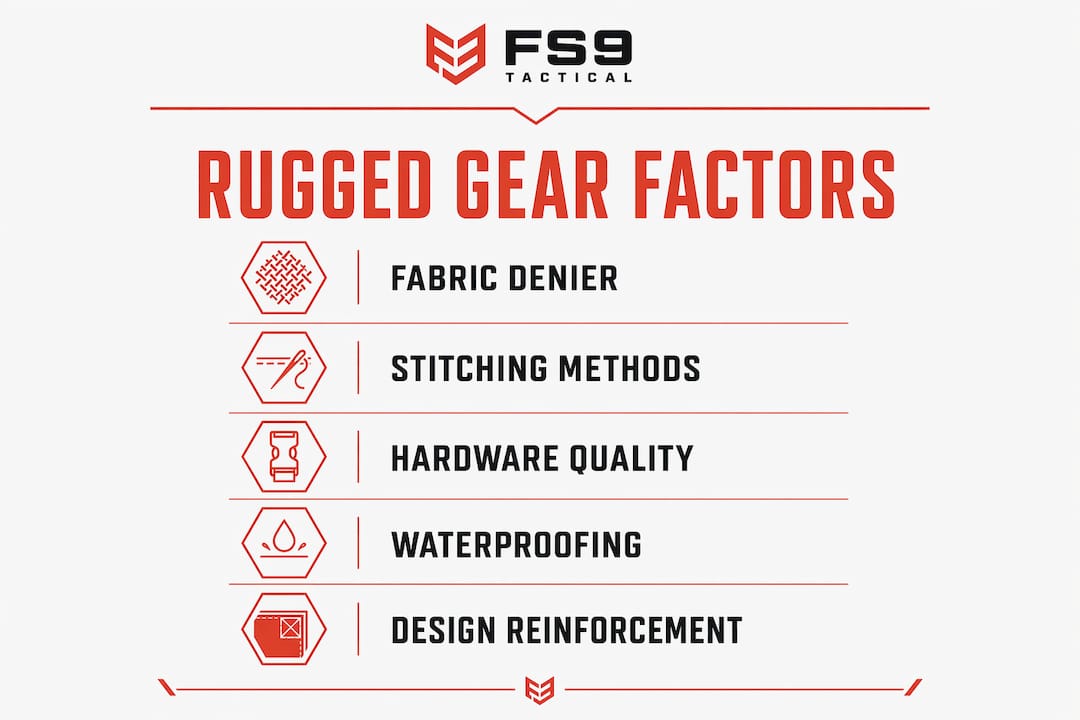
Pro Tip: Check the fabric spec sheet before buying. If a manufacturer lists only the material name without the denier rating, treat that as a red flag. Reputable gear makers publish denier because it is a verifiable durability claim.
Why stitching and hardware determine gear longevity
Thick fabric with weak stitching fails at the seams, not the panels. Durability depends equally on stitching techniques and hardware quality, including double-needle stitching and high-grade zippers. Most hunters inspect fabric but skip the seams. That is where gear dies first.
The key stitching methods used in quality hunting gear include:
- Double-needle stitching: Two parallel rows of thread create redundancy. If one row frays, the second holds the seam together.
- Bar-tacking: A dense cluster of stitches applied at stress points like strap attachments and zipper ends. This technique prevents tearing at the exact spots that take the most load.
- Chain stitching: Fast to produce but prone to unraveling if a single loop breaks. Quality gear avoids chain stitching on load-bearing seams.
- Bound seams: The raw edge of the fabric is folded and stitched, eliminating fraying entirely. Common in high-end outerwear and packs.
Reinforcement patches extend gear life at predictable wear zones. Reinforced patches on high-wear zones like knees and cuffs can extend gear lifespan by 2 to 3 years. That is a meaningful return on a $300 to $500 investment in quality hunting apparel or a pack.
Hardware quality is the factor most hunters underestimate. Gear durability is often compromised first by hardware failures, and prioritizing YKK zippers and certified heavy-duty buckles significantly extends functional lifespan. YKK zippers are the industry standard because they are tested to tens of thousands of open-close cycles without failure. A cheap zipper on a $400 pack will fail before the fabric does.
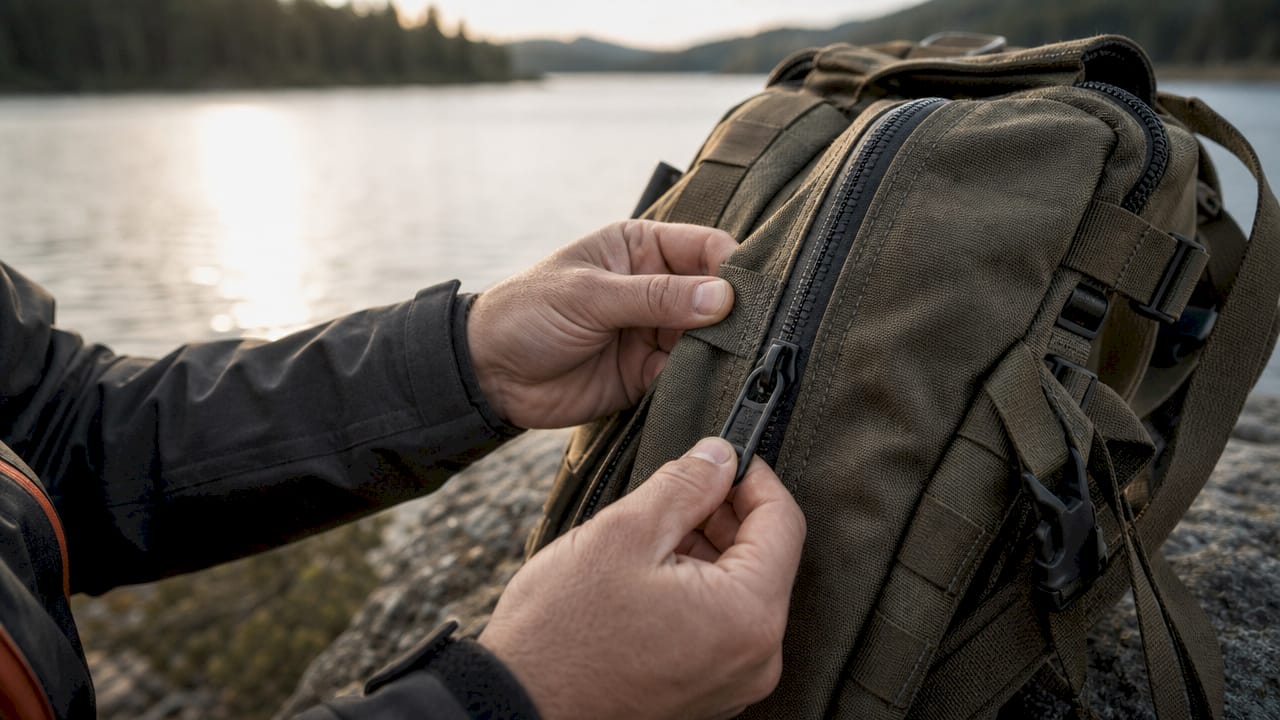
Pro Tip: Pull on every zipper and buckle before you buy. A quality zipper moves smoothly with firm resistance. A cheap zipper feels loose, skips teeth, or requires force to close. That test takes ten seconds and tells you more than the product description.
How design balances ruggedness with comfort
Rugged gear that exhausts the hunter defeats its own purpose. The best hunting packs for rugged terrain combine structural durability with ergonomic design that manages fatigue over a full day in the field.
-
Waterproof-breathable membranes: Quality hunting jackets balance 15k–20k waterproof ratings with breathability to manage internal moisture. A jacket that keeps rain out but traps sweat creates hypothermia risk in cold conditions. The membrane must work in both directions.
-
Padded suspension systems: Load-bearing shoulder straps and hip belts with dense foam padding transfer pack weight to the hips rather than the shoulders. This design reduces upper body fatigue on steep terrain.
-
Mesh back panels: Ventilated back panels create airflow between the pack and the hunter’s back. Reduced sweat accumulation means lower body temperature and longer comfortable carry times.
-
Silent fabrics: Brushed fleece and micro-suede outer layers eliminate the swishing sound that stiff nylon creates. Noise reduction is a direct performance factor for bow hunters and anyone hunting pressured game.
-
Strategic material placement: Reinforcing elbows, knees, seat, and cuffs achieves longer gear life by resisting abrasion in high-use areas without adding unnecessary weight to low-stress zones.
The design principle behind truly durable hunting gear is selective reinforcement. You do not need 1000D nylon on every panel. You need it where the pack contacts rock, brush, and ground. Lighter fabrics on low-stress panels reduce total weight without sacrificing durability where it counts.
Examples of durable hunting equipment using advanced materials
Concrete gear examples show how these principles translate from spec sheets to field performance. Field-testing and design for extreme conditions, prioritizing reliability over aesthetics, defines truly rugged multi-season hunting gear. Marketing language does not build durability. Intentional engineering does.
Carbon fiber pack frames weigh as little as 13 ounces while delivering superior strength compared to aluminum frames. That weight savings compounds over a 10-mile approach. A hunter carrying a lighter frame arrives at the stand with more energy and steadier hands.
TPU-laminated bags and outerwear perform in conditions where PVC-coated alternatives crack and leak. Below -20°C, standard PVC coatings become brittle and crack, reducing waterproof performance by 78%. Hunters in Alaska, Montana, or Canada face these temperatures regularly. The material choice is not academic.
Multi-pocket layouts with reinforced tactical belts add utility without sacrificing structural integrity. A MOLLE-compatible tactical belt with a quick-release buckle and anti-slip inner belt distributes accessory weight evenly and holds position under load. Rifle cases built with lockable zippers and ballistic fabric panels protect firearms during transport over rough terrain. Fs9tactical’s double soft rifle case uses reinforced construction and lockable zippers to meet exactly this standard, and the brand holds recognition as the second-largest soft rifle case manufacturer in the U.S.
Key Takeaways
Rugged hunting gear requires the combination of high-denier fabric, expert stitching techniques, and certified hardware to deliver reliable performance across multiple seasons and harsh conditions.
| Point | Details |
|---|---|
| Fabric denier sets the baseline | 1000D nylon provides more than twice the tear resistance of 210D and outperforms 500D by 30%. |
| TPU beats PVC in cold weather | TPU lamination produces 67% fewer returns than PVC in sub-zero conditions where PVC cracks. |
| Stitching fails before fabric | Double-needle and bar-tack stitching at stress points prevent the seam failures that end gear life early. |
| Reinforcement extends lifespan | Patches on knees, cuffs, and high-wear zones add 2 to 3 years to functional gear life. |
| Design balances durability and comfort | Carbon fiber frames, breathable membranes, and silent fabrics make rugged gear wearable across long hunts. |
What hunters get wrong about rugged gear
Most hunters I talk to focus on fabric weight when they evaluate gear. They squeeze the panel, feel the thickness, and decide the pack is tough. That instinct is understandable, but it misses the actual failure points.
Every piece of gear I have seen fail in the field failed at a zipper, a strap attachment, or a seam. Not once have I seen a 1000D panel tear on a hunt. The fabric holds. The hardware and stitching give out first. That means the most important inspection you can do before buying is to pull every strap, work every zipper, and look at the bar-tacking on the attachment points.
The second mistake is ignoring cold-weather material specs. A hunter buying a waterproof bag for a November elk hunt in Wyoming needs TPU lamination, not PVC coating. The price difference is real, but so is the performance gap when temperatures drop below zero and your gear starts cracking at the seams.
My honest advice: buy from manufacturers who publish their material specs, name their zipper suppliers, and describe their stitching methods. Transparency about construction is the clearest signal that a brand built the gear to last, not just to sell.
— Cody
Fs9tactical gear built for the field
Fs9tactical engineers its gear around the same durability principles covered here: high-denier ballistic fabrics, reinforced stitching at every stress point, and YKK-grade hardware throughout.
The military tactical backpack uses a MOLLE-compatible frame with padded suspension designed for rugged terrain. The 36" double soft rifle case features lockable zippers and reinforced panel construction that protects two rifles through rough transport. For hunters who need a waterproof carry option, the tactical thigh bag delivers waterproof construction in a compact, field-ready format. Fs9tactical backs every product with over 20,000 satisfied customers and thousands of five-star reviews. Browse the full lineup at fs9tactical.com and find gear built to the standards this article describes.
FAQ
What fabric denier is best for rugged hunting gear?
1000D nylon is the standard for rugged hunting applications, delivering more than twice the tear resistance of 210D nylon. For lighter packs in moderate conditions, 500D nylon offers a practical balance of weight and durability.
Why does stitching matter as much as fabric in hunting gear?
Seam failures cause most field gear breakdowns before the fabric itself wears out. Double-needle stitching and bar-tacking at stress points prevent the premature failures that end gear life early.
Is TPU lamination worth the extra cost for hunting gear?
TPU lamination is worth the cost for any hunter facing temperatures below -20°C. TPU-laminated gear shows a 67% lower return rate than PVC-coated alternatives in cold conditions, where PVC becomes brittle and loses waterproof integrity.
How do carbon fiber frames improve hunting backpack performance?
Carbon fiber frames weigh as little as 13 ounces while matching or exceeding the strength of aluminum alternatives. That weight reduction translates to less fatigue on long approaches and more energy at the stand.
What hardware features should hunters look for in durable gear?
YKK zippers and certified heavy-duty buckles are the two hardware features most directly linked to gear longevity. Zipper failure is the most common reason quality packs and cases are retired before the fabric wears out.
