

Field Dress Game in Remote Locations: Timing and Method
Field-dress and cool the meat as soon as it’s safe to do so. That single act, done within minutes of the shot, prevents spoilage and saves most of your harvest. Waiting even a few hours in warm weather can ruin meat that took days of hunting to earn.
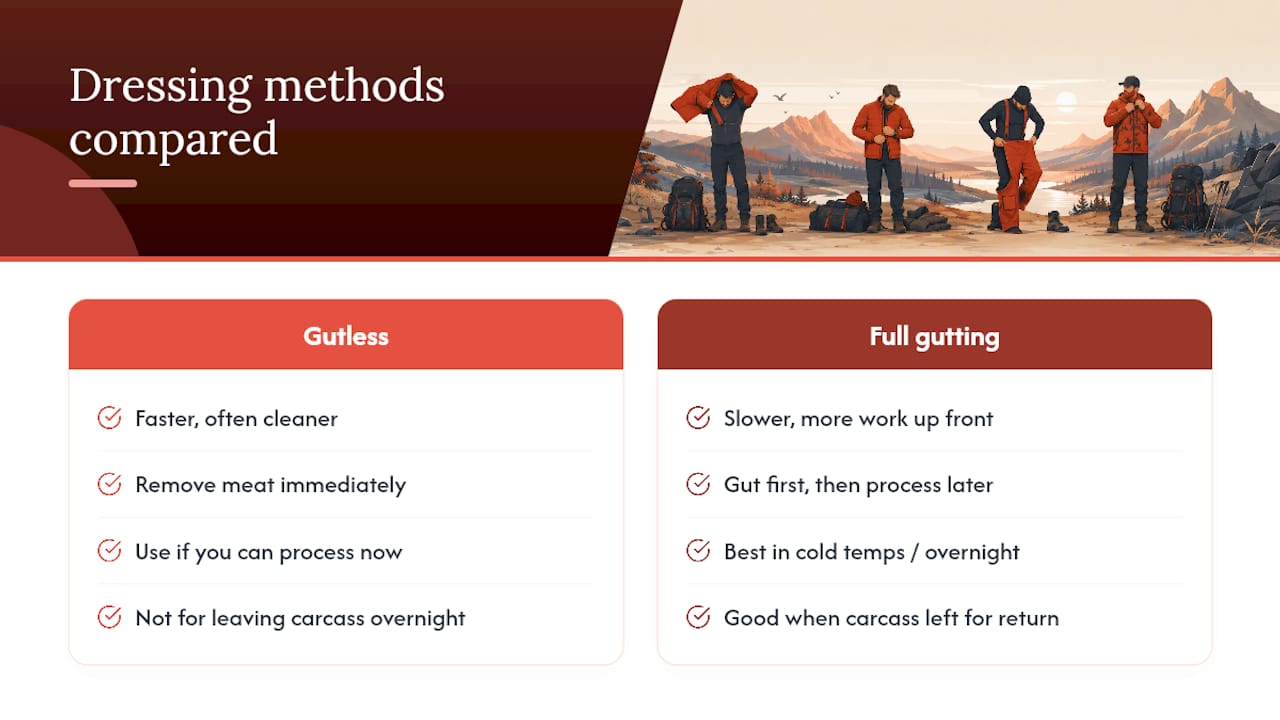
You have two main paths: the gutless (skin-first) method or full gutting. Choose based on how fast you can get meat out, the ambient temperature, and whether the carcass will sit overnight. If you can process and remove meat immediately, gutless is often faster and cleaner. If temperatures are cold and you’re leaving the carcass intact for a return trip, full gutting first, then hanging, works better.
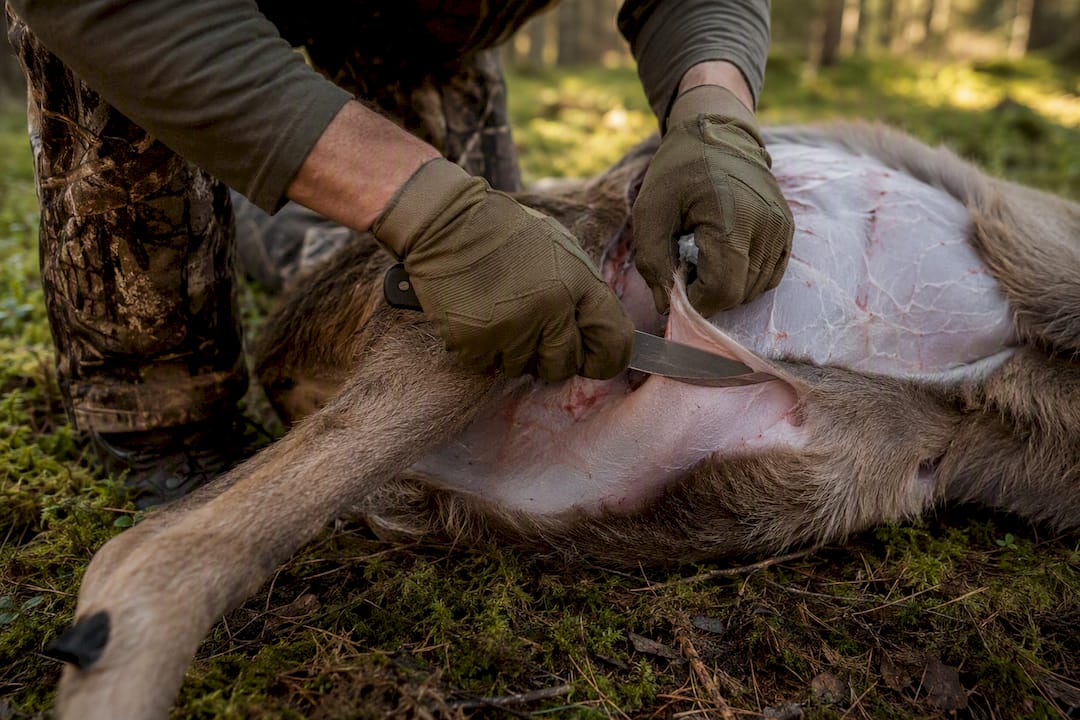
Ideal hanging temperature sits between 2°C and 5°C (35.6°F to 41°F). Anything warmer accelerates bacterial growth fast, which is why speed right after the shot matters more than almost any other decision you’ll make in the field.
Key Takeaways
Field dressing success in remote locations comes down to speed, method selection matched to conditions, and realistic pack-out planning that protects both the meat and the hunter.
| Point | Details |
|---|---|
| Cool meat immediately | Field-dress as soon as safe to reach the ideal hanging range of 2°C to 5°C. |
| Match method to conditions | Use gutless for warm weather and fast extraction; full gut for cold, overnight waits. |
| Plan multiple trips | Hindquarters run 40 to 60 lbs each, so shuttle loads instead of one heavy carry. |
| Prioritize airflow over plastic | Breathable game bags with space between quarters beat stacked plastic bags every time. |
| Build a redundant field kit | FS9 Tactical’s reinforced bags and knife retention systems hold up when a pack-out goes long. |
Table of Contents
- What Gear Do You Need for Remote Field Dressing?
- Gutless or Full Gutting: Which Method Fits Your Situation?
- How Do You Plan a Multi-Trip Pack-Out?
- How Do You Cool and Store Meat Once It’s Off the Animal?
- What Physical Prep Keeps a Pack-Out Safe?
- Which Gear Categories Actually Matter Out There?
- What Most Field-Dressing Advice Gets Wrong
- Where to Find Field-Ready Gear for Your Next Pack-Out
- Frequently Asked Questions
- Sources
What Gear Do You Need for Remote Field Dressing?
A remote kit has to do everything a home butcher shop does, with none of the backup. Redundancy matters more than fancy tools.
- Two knives minimum: a boning knife for separating meat from bone and a caping knife for detail work around joints and the skull.
- A folding bone saw for splitting the pelvis or cutting through rib bones the knife can’t handle.
- A sharpener or diamond hone carried on your person, not buried in a pack pocket.
- Multiple breathable game bags, more than you think you’ll need. Cotton or muslin bags let moisture escape; plastic doesn’t.
- A tarp or groundsheet to keep organs and meat off dirt and duff.
- A pack frame, paracord, straps, and a small pulley or gambrel for hanging quarters and rigging loads over rough terrain. A game sled helps if you’re working snow or open ground.
- Nitrile gloves, cloths, and a citric-acid spray or sanitizer for hygiene between cuts.
- Basic first-aid supplies, since blade injuries during field dressing are common and remote locations mean help is hours away.
Pack so the knife, gloves, and first game bag are in an outer pocket you can reach without dumping your whole bag. A well-organized gear bag keeps the right tool in your hand in seconds, not minutes, when flies and heat are already working against you.
Gutless or Full Gutting: Which Method Fits Your Situation?
Run this decision fast, ideally before you make the first cut. Ask three questions: How warm is it? Can you pack meat out today, or are you leaving the carcass overnight? Is this animal large enough that flipping it for full gutting is impractical? Warm weather and an immediate pack-out favor gutless. Cold weather with an overnight wait favors full gutting, since the hide protects the meat from dirt and the cavity stays cleaner once organs are removed. The gutless method works well for large animals when you can remove meat right away, but you should never leave guts inside a carcass overnight in warm conditions. Heat trapped in the body cavity spoils meat from the inside out faster than almost anything else in the field.
Gutless method, step by step:
- Position the animal on its side on flat ground, using a tarp or the terrain to your advantage.
- Make an incision along the spine and down the near-side leg, skinning back just far enough to expose the shoulder and hindquarter.
- Remove the front and rear quarters on the exposed side by following natural muscle seams with your boning knife.
- Cut the backstrap free along the spine, then work the tenderloin loose from inside the ribcage without opening the cavity.
- Roll the carcass and repeat on the other side.
- Cape the head or remove antlers per your state’s regulations before leaving the site.
Full gutting, step by step:
- Lay the animal on its back, propped slightly if possible for drainage.
- Make a shallow cut from sternum to pelvis, using two fingers as a guide to avoid puncturing the stomach or intestines.
- Cut around the anus and tie it off before pulling the digestive tract free to prevent contamination.
- Reach up into the chest cavity to sever the diaphragm and remove the windpipe and esophagus.
- Roll the carcass to drain blood and fluid, then prop the cavity open with a stick for airflow.
Trim any bloodshot or contaminated tissue immediately. Meat that’s touched stomach contents needs to come off clean, not get rinsed and hoped for. Keep a citric-acid spray or a bandana soaked in vinegar handy. Flies find blood within minutes in warm weather, and a quick wipe-down slows egg-laying more than people expect.
Pro Tip: Skin one side first and lay the carcass onto the hide, hair-side down. That inner surface becomes a clean work mat, keeping meat off dirt and pine needles without needing a separate tarp underneath every quarter.
How Do You Plan a Multi-Trip Pack-Out?
Quartering is where most of your remaining daylight goes, and pack-out planning is where injuries happen if you rush it. Hindquarters typically run 40 to 60 lbs each, and a mature elk can easily require four to six total trips once you count quarters, backstraps, and cape. Plan multiple lighter loads instead of one brutal haul that leaves you injured two miles from the truck.
- Remove the heavy hindquarters first if the trailhead is close; prioritize backstraps and tenderloins first if you’re facing a long carry and limited trips.
- A quality pack frame with a hip belt shifts weight to your legs instead of your shoulders, which matters over uneven ground.
- Team shuttles work well with two or more hunters trading loads; a game cart helps on maintained trails but is useless in timber or steep country.
- Mark cache waypoints in a GPS app and hang or elevate meat away from ground predators between trips. Bears and coyotes find unattended meat fast.
- Secure quarters tightly to the pack frame. A load that shifts on a sidehill can put you on the ground.
Rest between loads instead of pushing through exhaustion. A sprained ankle five miles from the road turns a good hunt into an emergency.
How Do You Cool and Store Meat Once It’s Off the Animal?
Getting meat cool and keeping it that way is the difference between table-quality venison and something you choke down. Improper temperature control is the leading cause of gamey flavor and spoilage, more than any seasoning or cooking method can fix afterward.
- Hang quarters separately with space between them; stacked meat traps heat and moisture right where bacteria thrive.
- Use shade, moving water, or ice packs against game bags when temperatures run warm, and prioritize airflow over anything else.
- Choose breathable cotton or muslin game bags over plastic garbage bags, which trap condensation and cook meat from the inside on a warm afternoon.
- In hot conditions, skin immediately and consider submerging quarters in a cold stream in bags as a last resort.
- Only wash a contaminated spot if it’s genuinely soiled, and dry it immediately afterward. Standing moisture invites bacteria faster than the dirt itself.
What Physical Prep Keeps a Pack-Out Safe?
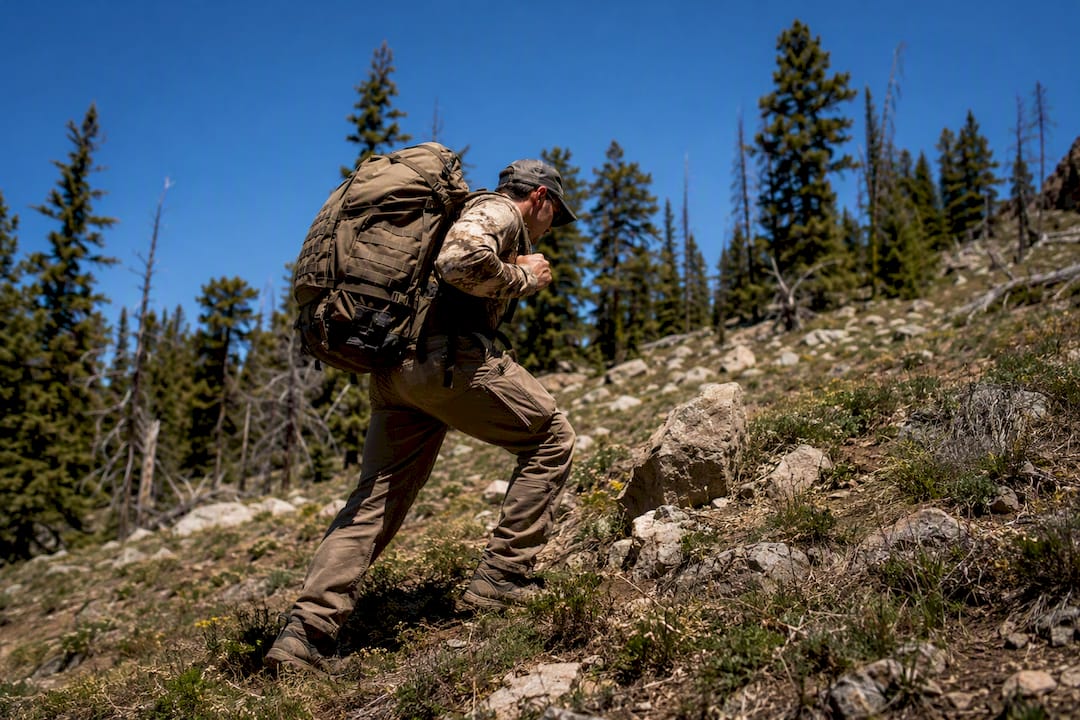
Train for loaded carries before the season, not during it. Practice hauling 50 to 70 lbs at elevation so your first heavy pack-out isn’t also your first time under real weight. Learn to lift with your legs and let a properly fitted pack frame distribute weight across your hips. Leave a trip plan with someone, carry a satellite communicator, and know the early signs of heat exhaustion before you’re several miles in.
Which Gear Categories Actually Matter Out There?
Reliable gear separates a clean extraction from a ruined hunt. Prioritize:
- Pack frames built to carry uneven, heavy loads without frame failure.
- Breathable game bags and durable transport bags that protect meat and firearms alike.
- Knife retention systems and hoisting straps rated for repeated field use.
FS9 Tactical builds these with ballistic fabrics and reinforced stitching, backed by over 20,000 satisfied customers.
What Most Field-Dressing Advice Gets Wrong
Most guides treat field dressing as a knife-skills problem. It isn’t. The actual failure point is logistics: hunters who know exactly how to gut an elk still lose meat because they didn’t plan the pack-out before pulling the trigger, or they packed one knife with no backup sharpener three miles from the truck.
The gutless method gets oversold as universally superior, when the honest answer is that it depends entirely on your return-trip timeline and the thermometer. Full gutting still wins in cold, slow-extraction scenarios, and pretending otherwise leads to bad decisions under pressure.
If there’s one thing worth changing about how hunters prepare, it’s this: build your kit and your physical conditioning around the worst-case pack-out, not the average one. The animal you drop two miles from a trailhead in October is not the same problem as the one you drop six miles deep in September heat. Plan for the harder version, and the easier one takes care of itself.
Where to Find Field-Ready Gear for Your Next Pack-Out
Good technique only gets you so far when your gear fails at the worst possible moment. FS9 Tactical builds around that exact failure point, using ballistic fabrics and reinforced stitching so a pack strap or bag seam doesn’t blow out three miles into a hindquarter carry.
For organizing knives, game bags, and hoist straps in one accessible spot, the Tactical Gear Bag keeps your kit sorted and reachable instead of buried at the bottom of a pack. If you’re building out emergency preparedness for longer backcountry trips, the 60-in-1 survival kit covers first-aid basics and signaling tools worth having on hand when help is hours away. Both are built to the same standard as FS9’s rifle cases, the product line that made it one of the largest soft rifle case manufacturers in the country. Check current availability and build your remote field kit before your next hunt.
Frequently Asked Questions
How quickly should you field dress game in remote locations? Field-dress within minutes of confirming the kill is safe to approach. Every hour of delay in warm weather pushes meat further from the ideal 2°C to 5°C range and increases spoilage risk.
Is the gutless method better than full gutting for remote hunts? Neither method is universally better. Gutless works well when you can remove meat immediately in warm conditions; full gutting suits cold weather when the carcass will hang overnight before you return.
How much weight should you expect to carry per trip? Hindquarters typically weigh 40 to 60 lbs each. Most hunters plan three to six total trips for an elk-sized animal rather than attempting a single overloaded haul.
What’s the biggest mistake hunters make with game bags? Using plastic garbage bags instead of breathable cotton or muslin bags. Plastic traps moisture and heat, which speeds spoilage even when the meat is otherwise handled correctly.
Do you need to wash meat that touched stomach contents? Trim contaminated tissue away first. Only wash the area if it’s genuinely necessary, and dry it immediately, since standing moisture encourages bacterial growth faster than dirt alone.
Sources
- How to Field Dress Big Game • Outdoor Canada
- How to Quarter and Pack Out a Mule Deer in Remote Country • Mule Deer Foundation
- Field Dressing Big Game - Gutless method • Alaska Department of Fish & Game
