

How to Layer Tactical Clothing for Varied Climates
Layering tactical clothing is the practice of using multiple coordinated garment layers to regulate body temperature, manage moisture, and protect against weather elements across varied climates. The industry calls this a modular clothing system, and it follows the same logic used by the U.S. Army’s Extended Cold Weather Clothing System (ECWCS): no single garment handles every condition, but three well-chosen layers working together can. Whether you’re hunting in the Rockies in october, running drills in humid summer heat, or moving through a wet Pacific Northwest forest, the right layering strategy keeps you functional when the weather does not cooperate.
How to layer tactical clothing for varied climates: the three-layer system
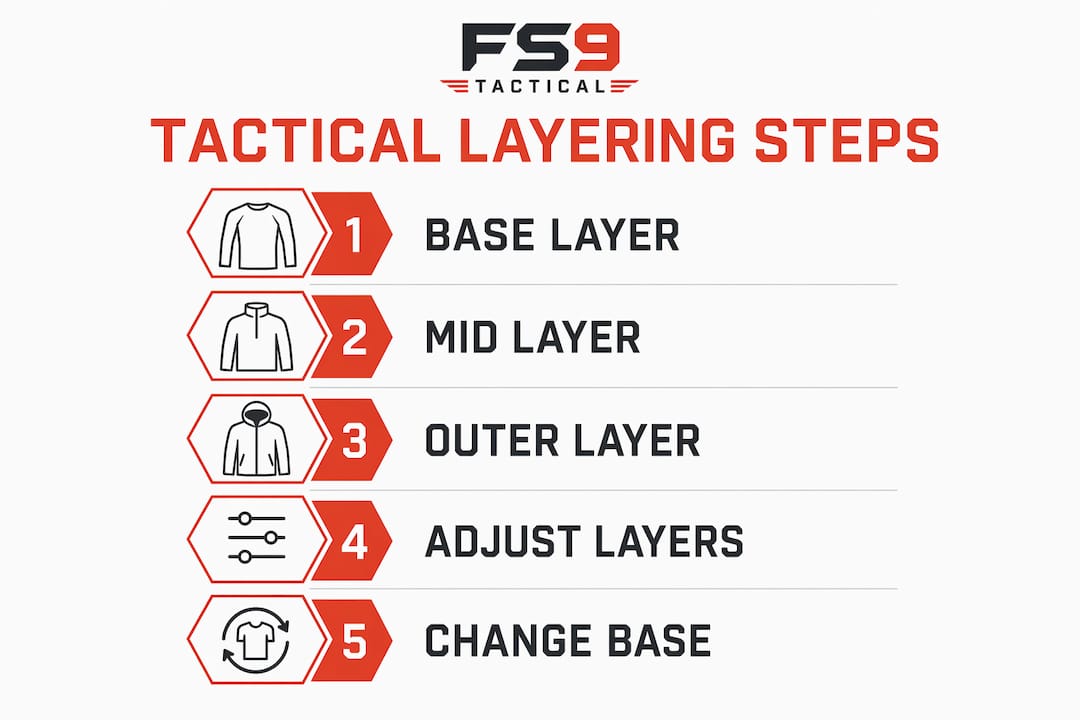
The three-layer system is the foundation of every effective tactical clothing setup. Each layer has a specific job, and understanding those jobs prevents the most common field mistakes.
The base layer sits directly against your skin. Its job is moisture management, not warmth. Merino wool base layers manage moisture well, maintain warmth even when damp, and reduce odors during extended wear. Polyester base layers dry faster and cost less, making them a solid choice for high-output activities where you sweat heavily. The key is to avoid cotton entirely. Cotton absorbs moisture and holds it, which accelerates heat loss.
The mid layer provides insulation by trapping warm air close to your body. Synthetic insulation like PrimaLoft retains its insulating properties even when damp, unlike natural down, which loses warmth as soon as it gets wet. For tactical operations involving rain, river crossings, or heavy sweat output, synthetic mid layers are the reliable choice. Fleece is another common mid layer option. It breathes well and dries quickly, though it offers less wind resistance than synthetic fill.
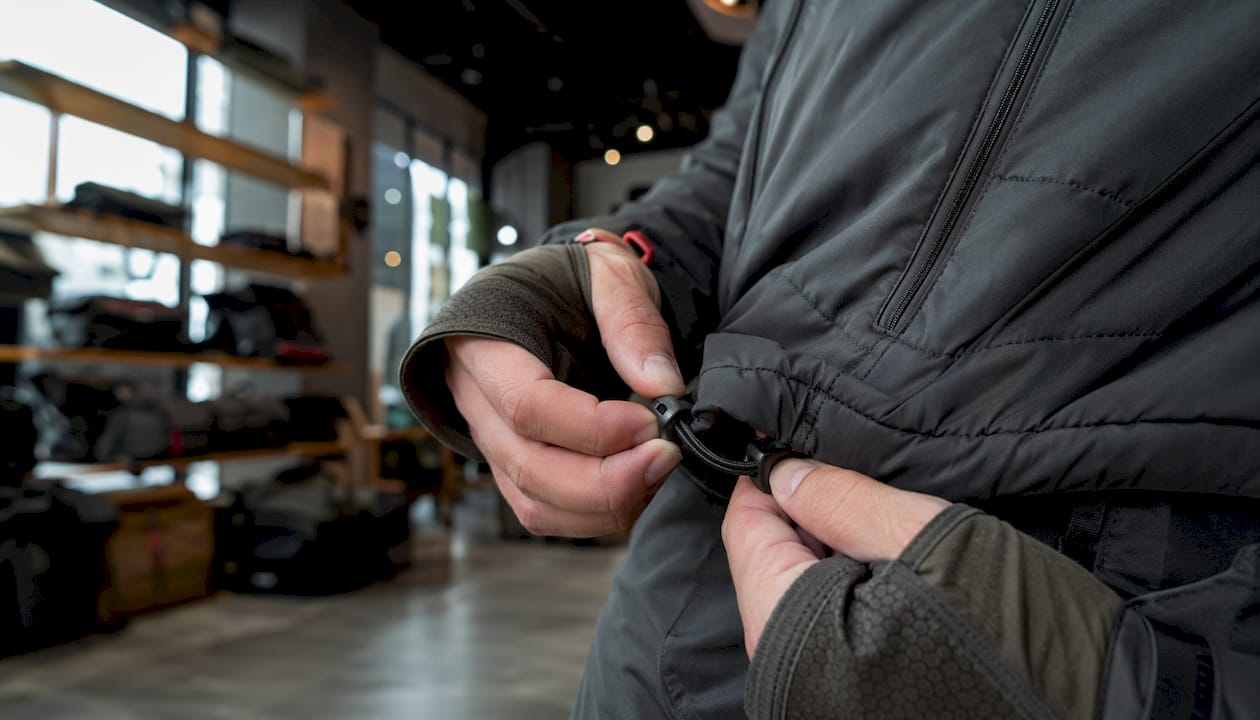
The outer layer is your shield against wind, rain, and snow. Softshell jackets balance weather resistance with breathability and work well in light rain and moderate wind. Hardshell jackets offer full waterproofing for severe conditions but breathe less. The outer layer does not provide insulation on its own. It simply keeps the elements from stripping warmth away from the layers underneath.
Accessory layers complete the system. Gloves, wool or synthetic socks, and a hat or balaclava protect the extremities, which lose heat faster than the torso. Many tactical users underestimate how much a quality neck gaiter or beanie changes comfort in cold conditions.
- Base layer: moisture wicking, skin contact, no cotton
- Mid layer: insulation, synthetic preferred for wet conditions
- Outer layer: wind and rain protection, softshell or hardshell
- Accessories: gloves, socks, headwear for extremity protection
Pro Tip: Pack a spare base layer in a waterproof bag. Swapping a damp base layer during a rest stop takes two minutes and can prevent hypothermia in moderate temperatures.
How to select tactical clothing fabrics for different climates
Fabric choice determines how well your layering system performs. The wrong fabric in the wrong climate turns a good layering plan into a liability.
Hot and arid climates
Polyester and ripstop fabrics are the best choice for hot climates because they maximize breathability and moisture management. Ripstop nylon adds tear resistance without adding weight, which matters when you’re moving through brush or rocky terrain. Lightweight polyester blends pull sweat away from your skin and dry fast, keeping you cooler during high-output movement. In desert or summer conditions, a single breathable base layer is often enough. Adding a light sun-protective outer layer protects exposed skin without trapping heat.
Cold and wet climates
Nylon, softshell, and insulated synthetic fabrics provide wind resistance and thermal retention in cold or wet environments. Nylon outer shells resist abrasion and hold up to repeated field use better than polyester shells. Softshell fabrics stretch with your movement, which matters when you’re climbing, crawling, or carrying a pack. In wet climates, the outer layer’s Durable Water Repellent (DWR) coating is the first line of defense. DWR coatings need regular cleaning and reapplication to maintain effective weather resistance and breathability. A dirty or worn DWR coating causes water to soak into the shell fabric rather than bead off, which dramatically reduces breathability and warmth.
| Climate | Recommended Fabrics | Key Performance Need |
|---|---|---|
| Hot and arid | Polyester, ripstop nylon | Breathability, moisture wicking |
| Cold and wet | Nylon shell, softshell, synthetic fill | Wind resistance, thermal retention |
| Temperate | Fleece mid layer, light softshell | Versatility, moisture management |
| Transitional | Merino wool base, modular mid layer | Adaptability, odor control |
Pro Tip: Wash your outer shell with a technical fabric cleaner like Nikwax Tech Wash before reapplying DWR spray. Detergent residue blocks the coating from bonding to the fabric.
What are effective step-by-step layering techniques for tactical activities?
Layering is not a one-time decision you make before leaving camp. It is an ongoing process of adjustment based on your activity level and the environment around you.
Before you move out
Start your active phase feeling slightly cool. Starting physical activity feeling slightly cool prevents overheating. Your body generates significant heat within the first five to ten minutes of movement. If you dress for standing still, you will be soaked in sweat before you reach your first waypoint.
During active movement
- Begin with your base layer and mid layer only if temperatures are moderate.
- Add your outer shell if wind or precipitation is present.
- Vent your mid layer or outer shell at the chest and underarms as your body heats up.
- Remove your outer shell and stow it in your pack if conditions allow and you are generating enough heat.
- Monitor your base layer. If it feels saturated, plan a swap at the next rest stop.
During rest and static phases
Static activities require thicker or additional insulation layers, while active phases need lighter, more breathable layers to avoid overheating. When you stop moving, your body temperature drops quickly. Add your mid layer or outer shell within two minutes of stopping. Waiting until you feel cold means your body is already working to recover lost heat.
- Keep your outer shell accessible, not buried at the bottom of your pack.
- Use pit zips and chest vents before removing a layer entirely.
- Carry a lightweight packable insulation layer for unexpected rest stops.
- Swap damp base layers during longer breaks to prevent convective heat loss and hypothermia risk.
Pro Tip: Roll your spare base layer inside a dry bag and clip it to the outside of your pack for fast access. You should be able to swap it in under three minutes without unpacking your entire kit.
What common layering mistakes should you avoid?
Most layering failures come down to a few predictable errors. Knowing them in advance saves you from learning the hard way in the field.
Overdressing at the start is the most common mistake. Excess layers trap sweat against your body, and wet fabric conducts heat away from your skin far faster than dry fabric. The result is that you feel colder after heavy exertion than you would have with fewer layers.
Neglecting base layer changes is the most dangerous mistake. Operators prioritize changing base layers during transitions from high-output to static phases to prevent hypothermia caused by evaporative cooling from wet fabrics. Even in temperatures above freezing, a soaked base layer can cause dangerous heat loss during a long rest stop.
Ignoring ventilation options turns your layering system into a sweat trap. Most quality tactical outer layers include underarm vents, chest zips, or back vents. Use them before you overheat, not after.
Misunderstanding the outer shell’s role leads to poor layer selection. The shell does not insulate. It blocks wind and rain. If you rely on a thick shell for warmth instead of a proper mid layer, you will be cold and wet when conditions change.
“More layers do not necessarily equal more warmth. The objective is heat management, achieved by adjusting layers to match your activity level and the environment around you. A single well-chosen layer change at the right moment outperforms three layers worn incorrectly all day.”
Fit matters as much as fabric. Layers that are too tight restrict blood flow and reduce the insulating air gap between garments. Layers that are too loose catch wind and create drag during movement. Each layer should fit comfortably over the one beneath it without compressing it.
How do you adapt your tactical layering system for seasonal and regional climates?
Effective tactical clothing for all seasons requires adjusting both fabric weights and layer counts as conditions change. A system that works in a Colorado november is not the same system that works in a Georgia february.
- Hot seasons: Reduce to a single moisture-wicking base layer for most active phases. Add a lightweight sun-protective outer layer for UV exposure and wind. Prioritize ventilation over insulation.
- Cold seasons: Use a full three-layer system. Choose a heavyweight merino or synthetic base, a thick fleece or synthetic fill mid layer, and a waterproof hardshell outer. Add insulated gloves, a balaclava, and wool socks.
- Transition seasons: Carry a packable mid layer you can add or remove quickly. Spring and fall bring the most unpredictable temperature swings, so modularity matters more than any single garment choice.
- Regional adjustments: Humid southeastern climates demand faster-drying fabrics even in winter. Arid western climates allow down mid layers because precipitation is less frequent. Coastal environments require aggressive DWR maintenance on outer shells.
Modular tactical jackets with removable liners and adjustable shells provide versatile layering options for changing weather and activity levels. A jacket that converts from a softshell to an insulated system by zipping in a liner gives you two functional layers in one piece of gear. That kind of adaptability reduces pack weight and speeds up layer changes in the field. Pair modular outerwear with a solid tactical gear bag to keep spare layers organized and accessible during long outings.
Key Takeaways
The most effective way to layer tactical clothing across varied climates is to match each layer’s function to your current activity level and environment, not to the temperature alone.
| Point | Details |
|---|---|
| Use the three-layer system | Base, mid, and outer layers each serve a distinct function: wicking, insulating, and protecting. |
| Match fabric to climate | Polyester and ripstop for heat; nylon, softshell, and synthetic fill for cold and wet conditions. |
| Start slightly cool | Beginning active phases underdressed prevents sweat buildup and moisture-related heat loss. |
| Swap damp base layers | Changing a wet base layer during rest stops prevents convective heat loss and hypothermia risk. |
| Maintain your DWR coating | Regular cleaning and reapplication keeps outer shells waterproof and breathable in the field. |
What I’ve learned from years of tactical layering in the field
The biggest shift in my thinking came when I stopped treating layering as a pre-mission checklist and started treating it as a continuous process. I used to dress for the temperature at the trailhead. That worked fine for the first twenty minutes. After that, I was either soaked from sweat or scrambling to add layers I had buried too deep in my pack.
The lesson that stuck hardest: your base layer is your most critical investment, not your shell. Most people spend their budget on a flashy outer jacket and cut corners on the base layer. That is backwards. A quality merino or synthetic base layer that manages moisture well makes every other layer perform better. A cheap cotton base layer undermines even the best shell money can buy.
Synthetic insulation is generally better suited for high-output tactical operations because it maintains insulation when damp and dries faster than down. I learned this the hard way on a wet elk hunt in Idaho. My down mid layer was useless by midday. Since switching to synthetic fill, I have never had that problem again.
The other thing most guides skip: practice your layer changes before you need them in the field. Know exactly where your spare base layer is. Know how fast you can swap it. In cold conditions, fumbling with gear for ten minutes costs you real warmth. Build the habit at home so it is automatic when it counts.
— Cody
Fs9tactical gear built for adaptable layering in the field
Layering works best when your gear is organized and ready to deploy. Fs9tactical builds mission-ready equipment for hunters, shooters, and survivalists who need reliable gear when conditions change fast.
The Fs9tactical survival kit pairs directly with a solid layering system, giving you the emergency preparedness tools to back up your clothing strategy when the weather turns serious. Fs9tactical’s tactical gear bags keep spare layers, accessories, and field tools organized and accessible. With over 20,000 satisfied users and thousands of five-star reviews, Fs9tactical is the trusted choice for outdoor enthusiasts who refuse to let gear failure end a mission. Browse the full lineup at fs9tactical.com and build a kit that performs in every climate.
FAQ
What is the three-layer system for tactical clothing?
The three-layer system uses a moisture-wicking base layer, an insulating mid layer, and a weather-protective outer layer. Each layer handles a specific job, and together they regulate temperature and moisture across changing conditions.
What fabrics work best for hot climate tactical clothing?
Polyester and ripstop nylon are the top choices for hot climates because they maximize breathability and pull moisture away from your skin quickly. Avoid cotton, which absorbs sweat and slows drying.
How do you prevent overheating when layering tactical gear?
Start your active phase feeling slightly cool and use ventilation options like underarm zips before removing a full layer. Overdressing at the start leads to sweat buildup that compromises warmth during rest stops.
When should you change your base layer in the field?
Change your base layer during any transition from high-output movement to a static or rest phase. A damp base layer causes rapid convective heat loss and raises hypothermia risk even in moderate temperatures.
How often should you reapply DWR coating to your outer shell?
Reapply DWR coating whenever water stops beading off the shell fabric and begins soaking in. Wash the shell with a technical fabric cleaner first to remove residue that blocks the new coating from bonding.
