

How to Choose Tactical Gear for Adventure Travel
Tactical gear is defined as equipment engineered for mission survivability, rapid access, and modular expansion in high-risk, unpredictable environments. Choosing tactical gear for adventure travel means selecting durable, field-tested tools built to perform when standard outdoor gear fails. About 85% of tactical pack sales in 2026 go to civilians, including hikers, hunters, and expedition travelers. That number tells you the market has shifted. Tactical gear is no longer niche military kit. It is the practical choice for serious adventurers who need reliability over comfort.
What core features distinguish tactical gear from regular outdoor gear?
Tactical gear emphasizes rapid access, fault tolerance, and modular expansion, built for high-risk, time-sensitive environments. Standard outdoor gear prioritizes weight savings and comfort. Tactical gear prioritizes function under pressure. That difference shapes every design decision, from zipper placement to fabric weight.
Materials built for punishment
Tactical packs and pouches use 500D–1000D Cordura or ballistic nylon as their primary fabrics. The “D” stands for denier, a measure of fabric thread density. Higher denier means heavier, more abrasion-resistant material. A 1000D Cordura panel can take repeated scraping against rock faces without tearing. Standard hiking packs often use 200D–420D nylon, which is lighter but far less durable under sustained abuse.
Modularity through MOLLE
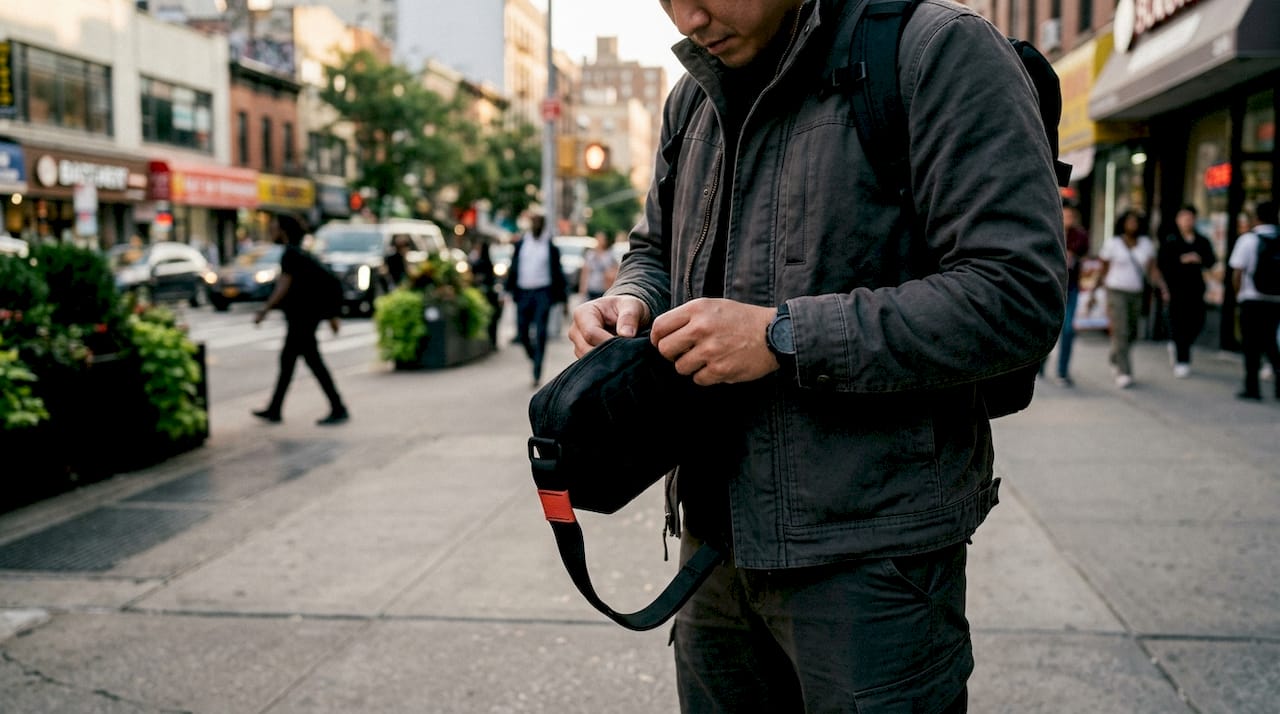
MOLLE (Modular Lightweight Load-carrying Equipment) webbing is the defining feature of tactical gear. It is a grid of nylon webbing stitched across the exterior of a pack or vest. You thread compatible pouches through the webbing to attach them securely. MOLLE allows full gear reconfiguration in under 90 seconds. That speed matters when conditions change fast on a trail or in the field.
Key features that separate tactical gear from standard outdoor gear:
- Single-hand access panels for retrieving items without removing the pack
- Reinforced stitching at stress points, including shoulder straps and handle attachments
- Hydration reservoir sleeves with routed tube ports for hands-free drinking
- Compression straps that cinch the load tight against your back
- Low-profile color options including coyote tan, ranger green, and multicam for terrain blending
Pro Tip: Check the stitching density at the MOLLE attachment points before buying. Loose or uneven stitching at those stress points is the first place a pack fails under heavy load.
How to select the right tactical backpack size for adventure travel
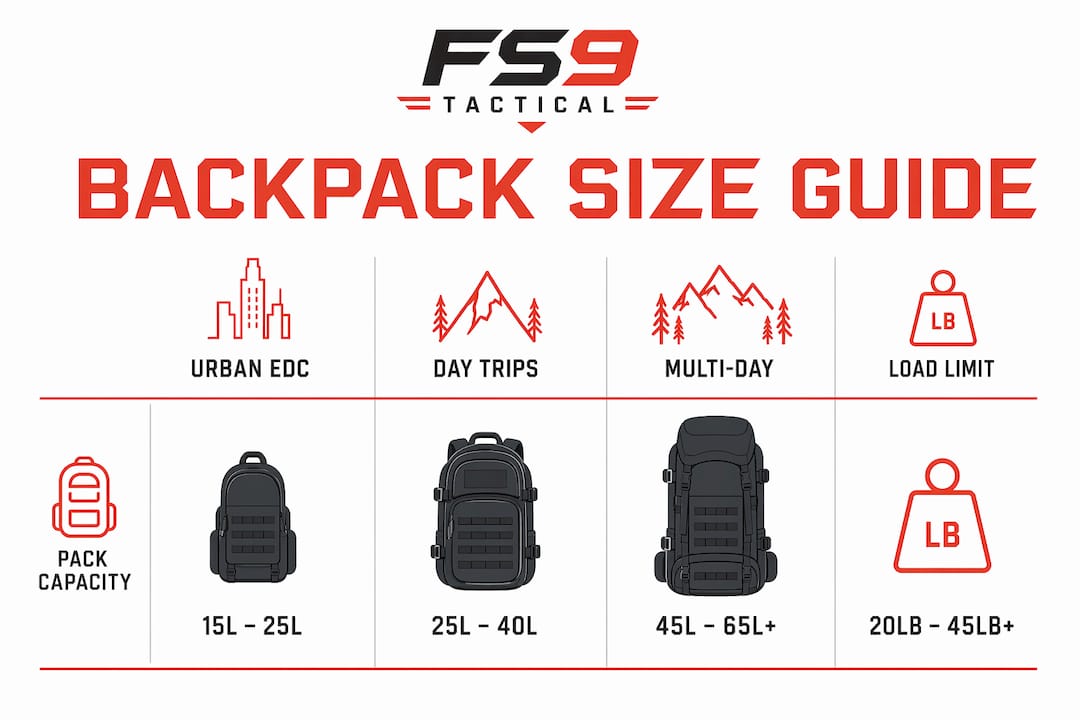
Tactical backpacks are sized by capacity: 20–30L for daily carry, 30–40L for day trips, and 40–50L+ for multi-day travel. Matching capacity to trip length is the single most important sizing decision you will make. Buying too large leads to overpacking and fatigue. Buying too small forces you to leave critical gear behind.
| Trip Type | Capacity | Ideal Load |
|---|---|---|
| Urban EDC / day carry | 20–30L | Under 15 lbs |
| Full-day hike or field op | 30–40L | 15–25 lbs |
| Multi-day expedition | 40–50L+ | 25–40 lbs |
Tactical packs are effective for loads under 40 pounds. Beyond that threshold, the lack of a sophisticated hip belt suspension system shifts the burden entirely to your shoulders and lower back. Fatigue accelerates fast above 40 lbs in a tactical pack. If your load regularly exceeds that limit, pair a 40–50L tactical pack with a separate lightweight frame or consider a hybrid setup.
A 30L tactical backpack for outdoor hiking works well for a single-day scramble with water, first aid, and navigation tools. A 45L+ pack suits a three-day backcountry trip where you carry shelter, food, and layered clothing. The MOLLE outdoor daypack format, typically a sling or compact pack, fills the gap for fast-moving activities where you need quick access and minimal bulk.
Pro Tip: Load your pack to its intended weight before you buy. Walk around the store or your home for five minutes. If the shoulder straps dig in immediately, the suspension system will not hold up on a full-day trail.
What are the types of tactical pouches and accessories for adventure travel?
Tactical pouches and accessories are the modular layer that makes a base pack adaptable to any mission. The right combination turns a single backpack into a configurable system you can rebuild for each trip. The wrong combination overloads your frame and creates snag hazards on dense terrain.
The main categories of tactical pouches for adventure use:
- MOLLE general-purpose pouches attach to any MOLLE-compatible surface and hold maps, tools, or first aid supplies. The MOLLE EDC pouch organizer format keeps small tools sorted and instantly accessible.
- Chest rigs distribute weight across the torso and free up your back for a larger pack. An adjustable tactical chest rig with magazine pouches works equally well for holding trail snacks, a radio, or a compact first aid kit.
- Thigh bags and drop leg pouches keep critical items at hand level without opening your main pack. A waterproof tactical thigh bag is ideal for navigation tools, a multi-tool, or a compact flashlight.
- Hydration carriers are dedicated sleeves or pouches that hold a 2–3L water bladder with a routed drinking tube.
- EDC organizers use internal elastic loops and zippered pockets to hold pens, batteries, cables, and small tools in a single flat pouch.
MOLLE webbing can cause snag hazards if overloaded with too many dangling pouches. The rule is simple: attach only what you will access during the activity. Pouches you do not need that day go back in the vehicle or base camp. Every extra attachment point adds weight and a potential catch point on brush or rock.
How to pack and organize tactical gear efficiently for expedition use
Efficient packing in a tactical pack follows a clear priority system based on access frequency and weight placement. Skipping this system leads to a top-heavy load, unnecessary noise, and wasted time digging for gear mid-trail.
- Place the heaviest items closest to your back. Water reservoirs, shelter components, and food go in the main compartment against the back panel. This keeps the center of gravity low and reduces strain on your spine.
- Use compression straps to lock the load. Compression straps prevent load shifting and reduce noise, which matters for hunters and anyone moving quietly through natural terrain. Cinch them after loading, not before.
- Use clamshell openings for full visibility. Tactical packs with clamshell zippers open flat like a suitcase, giving you a complete view of your gear. Lay items in logical rows rather than stacking them randomly.
- Assign fixed locations to critical items. Your first aid kit, fire starter, and navigation tools should always occupy the same pocket on every trip. Muscle memory under stress is faster than searching.
- Layer tactical gear with lightweight camping components. A hybrid gear setup using tactical clothing and packs alongside lightweight camping gear optimizes durability and weight management. Use a tactical pack for the shell and modular pouches, then fill with ultralight tent and sleeping bag components.
The most common packing mistake is front-loading. Putting heavy items in exterior MOLLE pouches pulls the pack away from your back and creates a pendulum effect on uneven ground. Keep exterior pouches for light, frequently accessed items only.
Key takeaways
Choosing the right tactical gear for adventure travel requires matching fabric durability, pack capacity, and modular accessories to your specific terrain and trip length.
| Point | Details |
|---|---|
| Fabric matters first | Choose 500D–1000D Cordura or ballistic nylon for trips involving abrasive terrain or wet conditions. |
| Size to your trip | Use 20–30L for day carry, 30–40L for full-day hikes, and 40–50L+ for multi-day expeditions. |
| Keep loads under 40 lbs | Tactical packs lack advanced hip belt systems, so fatigue rises sharply above 40 pounds. |
| Use MOLLE selectively | Attach only the pouches you will actively use that day to avoid snag hazards and excess weight. |
| Pack heavy items close to your back | Proper weight placement reduces spine strain and keeps your center of gravity stable on rough terrain. |
What I have learned from years of running tactical gear in the field
The conventional advice on tactical gear almost always focuses on what to buy. The harder question is what to leave behind.
I have run full MOLLE setups on multi-day backcountry trips and come back with half the pouches unused. The modularity of tactical gear is genuinely useful, but only when you edit ruthlessly before you leave. Every attachment you add is a decision you made at home, not on the trail. The trail will tell you quickly whether that decision was right.
The one thing I would tell any serious adventure traveler is this: ballistic nylon and reinforced stitching plus solid warranty support are the two indicators that separate gear worth buying from gear that looks good in photos. I have seen packs with impressive specs fail at the MOLLE attachment points after two trips. I have also seen well-built packs from brands that stand behind their products last five or six years of hard use.
The hybrid approach is where most experienced adventurers land. Use tactical gear for the load-bearing shell, the pouches, and the clothing. Use lightweight camping gear for shelter and sleep systems. That combination gives you the abrasion resistance and modularity of tactical design without the weight penalty of going full tactical on every item. It is not a compromise. It is the most practical setup for anyone who takes rugged travel seriously.
— Cody
Gear built for the conditions you actually face
Adventure travel does not forgive gear that fails at the wrong moment. Fs9tactical builds its full line around that reality, using ballistic fabrics and reinforced construction across backpacks, pouches, chest rigs, and survival kits designed for hunters, shooters, and serious outdoor travelers.
The Fs9tactical product range includes tactical backpacks, MOLLE-compatible pouches, adjustable chest rigs, and a 60-in-1 emergency survival kit built for 72-hour preparedness. Over 20,000 satisfied customers and thousands of five-star reviews back the brand’s reputation as the second-largest soft rifle case manufacturer in the U.S. Browse the full selection at Fs9tactical and find the configuration that fits your next expedition.
FAQ
What is tactical gear for adventure travel?
Tactical gear is equipment engineered for rapid access, modularity, and durability in demanding environments. It differs from standard outdoor gear by prioritizing function and fault tolerance over lightweight comfort.
What size tactical backpack do I need for a day hike?
A 30–40L tactical backpack covers most full-day hikes, carrying water, food, first aid, and navigation tools within a manageable load under 25 lbs.
What is MOLLE and why does it matter for adventure use?
MOLLE is a grid webbing system that lets you attach and reconfigure pouches in under 90 seconds. It makes a single pack adaptable to different activities without buying a new bag.
How do I organize a tactical pouch for an expedition?
Assign fixed locations to critical items like first aid and fire starters, place heavy gear closest to your back, and use compression straps to prevent load shifting and reduce noise on the trail.
Is tactical gear worth it for civilian adventure travelers?
Yes. With 85% of tactical pack sales now going to civilians, the gear has proven its value beyond military use. The durability of 500D–1000D Cordura and modular MOLLE systems make tactical gear a practical long-term investment for serious adventurers.
