

What Is a Double-Sided Access Case for Rifles and Gear?
A double-sided access case is a rifle or gear bag built with openings on two sides, usually through two-way zippers, a flat-opening center panel, or removable dividers, so you can pull a rifle or gear out from either direction instead of digging through a single top flap. It’s built for hunters, shooters, survivalists, and tactical users who need to grab a rifle fast without unpacking everything else first.
The design solves a real problem: single-opening cases force you to fish around blind, especially with two rifles stacked inside. A double-sided layout fixes that with a few practical wins:
- Ambidextrous access from either side, no fumbling for the “right” zipper
- Organized storage that keeps two rifles and their accessories separate but reachable
- Better protection during transport since gear stays cushioned instead of sliding around
Key Takeaways
A double-sided access case speeds up retrieval and keeps multiple rifles organized by giving you two-way entry instead of a single blind opening.
| Point | Details |
|---|---|
| Core definition | A double-sided access case opens from two sides, using two-way zippers or flat-opening panels for fast retrieval. |
| Layout drives speed | Flat-opening designs work best for range days; shallow top access suits quick grabs from a vehicle. |
| Materials that matter | 600D or ballistic nylon, closed-cell foam, and reinforced zippers determine long-term durability. |
| Sizing rule | Measure rifle length with optics attached, then add margin before choosing a case size. |
| Fs9tactical option | Fs9tactical’s double rifle cases, including 36-inch and 42-inch models, are built for dual-rifle access with lockable zippers and padded dividers. |
Table of Contents
- How Double-Sided Access Designs Actually Work
- Key Features and Materials That Affect Protection and Function
- When a Double-Sided Case Makes Sense (and When It Doesn’t)
- How to Choose the Right Double-Sided Rifle Case
- Caring for Your Case So It Lasts
- Why FS9 Tactical Builds Cases Around Real Access Needs
- What Actually Matters When You’re Buying One of These
- Get a Double-Sided Case Built for Your Loadout
- Sources
How Double-Sided Access Designs Actually Work
Most double-sided cases rely on one of two mechanical approaches. The first is a two-way zipper system that runs the full perimeter, letting the case fold open completely and expose both rifle compartments at once. The second is a central flat-opening layout, where a single main zipper splits the case down the middle so it lies flat like a book, with a padded divider keeping the two rifles apart.
Hands-on reviews of dual rifle bags describe exactly this: flat-opening layouts with thick center padding that stop rifles from banging together and let you reach both guns without flipping the bag over. That center divider is doing more work than it looks like. It’s not just padding. It’s the difference between a case that protects two rifles and one that lets them scratch each other every time you hit a pothole.
A few other mechanisms show up across the category:
- Ambidextrous side panels that open independently, so you can access one rifle without disturbing the other
- Removable or flip dividers that convert a two-rifle case into a single wider compartment
- Flat-opening “workstation” designs that lay the entire case open on the ground or a truck bed, turning it into a padded surface for loading mags and tools
Layout changes the experience more than most buyers expect. A flat-open case wins for range days when speed matters and you have room to lay it out. A shallow top-access design, by contrast, works better in a cramped truck cab where you can’t fully open a bag but still need to grab a rifle in seconds.
Pro Tip: Test the opening mechanism before you load it up. Some flat-opening cases need a flat surface to fully deploy, which matters if you’re working out of a truck bed with limited space.
Key Features and Materials That Affect Protection and Function
Fabric and padding choices separate a case that survives years of range trips from one that tears at the seams after a season. Most quality double-sided cases use 600D or ballistic nylon for the exterior, paired with closed-cell foam padding along the walls and a reinforced lip at the opening to prevent abrasion where the zipper meets the shell.
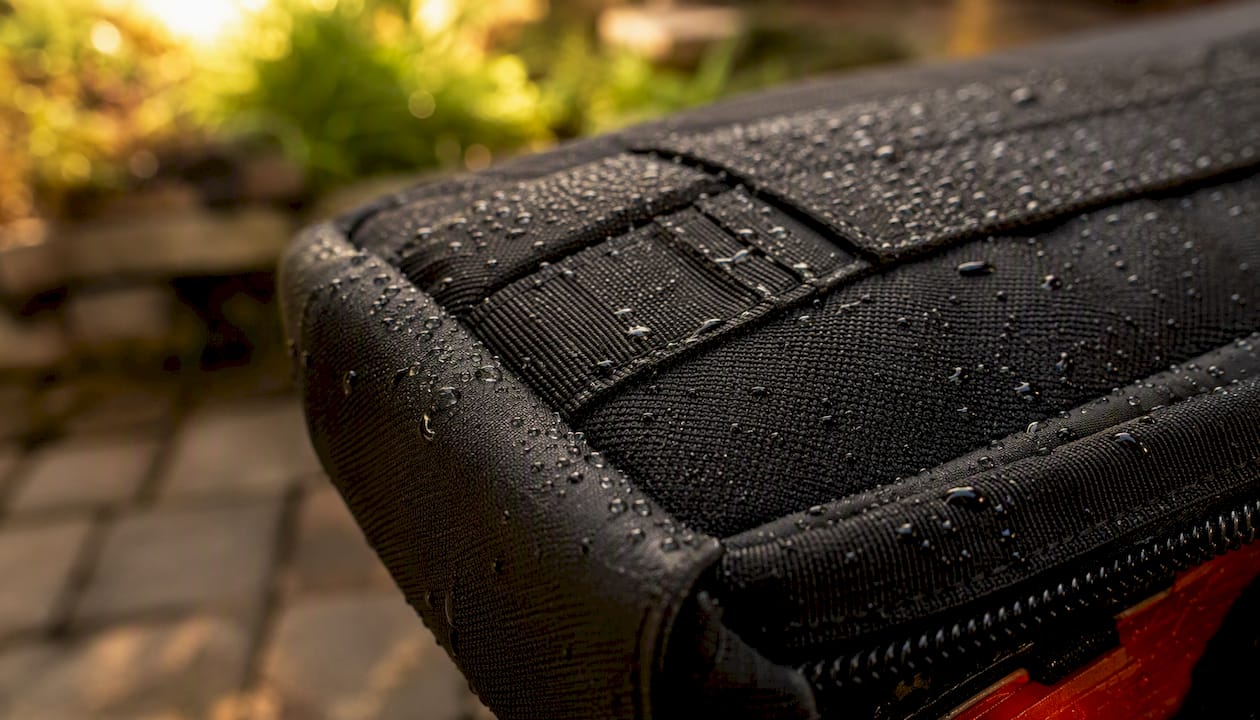
Reviewers of the Safariland dual rifle bag point to ballistic pack cloth and closed-cell foam as the baseline for serious protection, combined with heavy-duty zippers that hold up under repeated opening and closing. Zipper quality matters more than most buyers realize; it’s usually the first part to fail on a cheaper case.
Inside, organization features do the real work of keeping gear usable instead of just stored:
- Velcro tie-downs that secure each rifle individually, preventing shifting in transit
- Padded separators between compartments
- Magazine and handgun pockets, often paired with MOLLE webbing for modular attachments
- Accessory pockets sized for optics, tools, or ammo
One dual soft case reviewed by The Truth About Guns packs in Velcro tiedowns for each rifle, a padded separator, and MOLLE-equipped gear pockets, all in a case that runs around $120. Carry options round out the feature set: backpack straps, a removable shoulder strap, and reinforced handles for grab-and-go moves. For travel, lockable zippers and reinforced sliders matter if you’re checking a case at an airport or leaving it in a vehicle.
When a Double-Sided Case Makes Sense (and When It Doesn’t)
Double-sided access earns its keep on two-rifle range days, when you’re running an AR alongside a scoped bolt gun and need both ready without unpacking one to reach the other. It also pays off during stand hunts or drills where seconds matter, and for anyone hauling mixed loadouts between vehicle and field.
That said, no case format wins on every axis. Soft double-sided cases trade some rigidity for convenience. They’re lighter and easier to carry than hard cases, but they won’t protect against a hard drop the way a hard case will. Discreet, non-tactical-looking cases exist too, often shaped like athletic or instrument bags for low-profile transport, but that discretion usually costs you some speed of access.
A few practical pairings show where double-sided access shines:
- Two ARs for a range day, using tie-downs to keep each rifle from shifting
- One scoped bolt gun and one carbine, where adjustable tie-downs and extra internal length handle the size mismatch
- Mixed gear loads where accessory pockets carry mags, tools, and optics alongside the rifles
How to Choose the Right Double-Sided Rifle Case
Start with measurements, not marketing copy. Measure your rifle’s total length with optics and any suppressor attached, then add margin. Common soft case sizes run from 36 to 52 inches, and you want enough slack to avoid forcing a scope against fabric.
From there, work through a short checklist:
- Pick an opening style that matches your workflow. Flat-opening cases suit range sessions where you have space to lay everything out. Shallow top-access designs work better for quick grabs out of a truck.
- Check the materials against expected abuse. 600D or ballistic nylon with reinforced stitching holds up to repeated loading and rough handling better than lighter fabrics.
- Match internal organization to your actual loadout. Count how many mag pockets and handgun compartments you need, and check for MOLLE if you plan to add pouches later.
- Confirm carry comfort. Backpack straps distribute weight better over distance; a shoulder strap works fine for short carries to and from a vehicle.
- Verify lockability if you’re traveling or leaving the case in a vehicle unattended.
Reviewers scoring dual rifle cases tend to break protection, storage capacity, and ease of use into separate categories rather than one blended rating, which is a smart way to think about your own priorities before buying.
Pro Tip: If you’re pairing a scoped rifle with a red-dot carbine, check optic clearance specifically. A case sized for two identical rifles won’t always leave room for a taller scope.
Caring for Your Case So It Lasts
Spot-clean the exterior fabric with mild soap and water, then air-dry it fully before storing. Skip the washing machine unless the manufacturer’s label says otherwise; agitation can weaken stitched seams over time.
Zippers fail before fabric usually does. Lubricate them periodically and inspect the teeth and sliders for wear, since reinforced stitching and zipper quality tend to be the first points of failure on heavily used cases. Repair small rips or loose threads as soon as you spot them.
Store the case dry, unloaded, and away from constant pressure on the padding, which can compress foam over time and reduce protection. When damage goes beyond a field patch, replace the padding or the case itself rather than risk a rifle shifting loose in transit.
Why FS9 Tactical Builds Cases Around Real Access Needs
Fs9tactical has grown into the second-largest soft rifle case manufacturer in the U.S., a position built on cases designed for the exact access problems hunters and shooters run into daily. The lineup reflects the priorities covered above rather than generic bag construction.
- Ballistic fabrics and reinforced stitching built to handle range trips, truck beds, and field conditions
- Modular organization with MOLLE webbing, padded separators, and dedicated pockets for mags and accessories
- Sizing options, including the 42-inch double soft rifle case and a 36-inch double soft rifle case for smaller loadouts
- A track record backed by over 20,000 satisfied users and thousands of five-star reviews
For deeper guidance on matching a case to your specific rifles, the double rifle case buyer’s guide walks through sizing decisions in more detail.
| Point | Details |
|---|---|
| Brand position | Fs9tactical ranks as the second-largest soft rifle case manufacturer in the U.S. |
| Customer track record | Over 20,000 satisfied users and thousands of five-star reviews back the product line. |
| Design focus | Ballistic fabrics, reinforced stitching, and MOLLE-based organization built for hunters and shooters. |
What Actually Matters When You’re Buying One of These
Most buying guides for rifle cases spend too much time on brand comparisons and not enough on the one question that actually predicts satisfaction: how fast can you get a rifle into your hands when it counts? That’s the whole point of double-sided access, and it’s the detail that gets buried under generic feature lists.
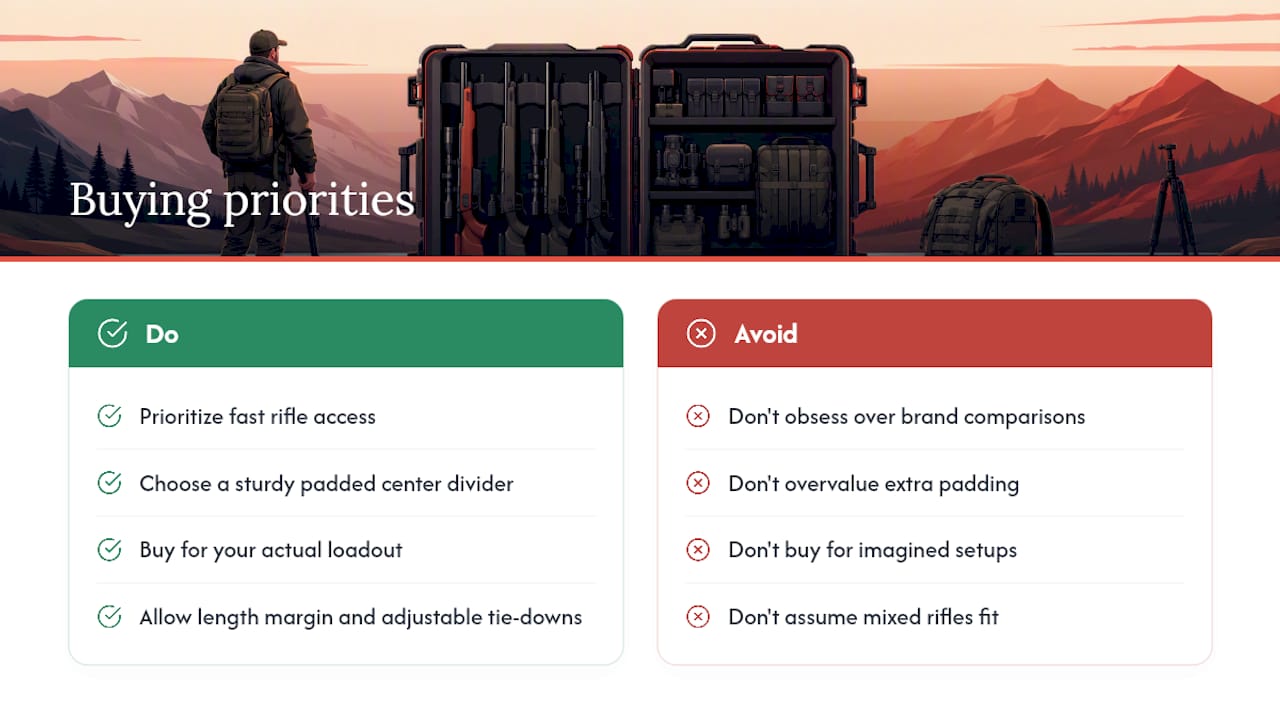
Here’s what I think gets overlooked. Padding quality matters less than people assume once you clear a reasonable threshold, but the center divider design matters far more than reviewers give it credit for. A weak divider means your rifles knock together on every rough ride, scope and all. A well-padded, properly sized divider is the difference between a case that protects gear and one that just holds it.
The other thing worth saying plainly: buy for your actual loadout, not an imagined one. If you’re running two identical ARs, most double cases handle it fine. Mixed setups with a scoped bolt gun and a shorter carbine need real length margin and adjustable tie-downs, or you’ll fight the case every time you load it.
— Cody
Get a Double-Sided Case Built for Your Loadout
Fs9tactical designs its double rifle cases around the exact access problem this article covers: getting a rifle out fast without unpacking everything around it. That’s a different starting point than most soft-case makers, who design for storage first and treat access as an afterthought.
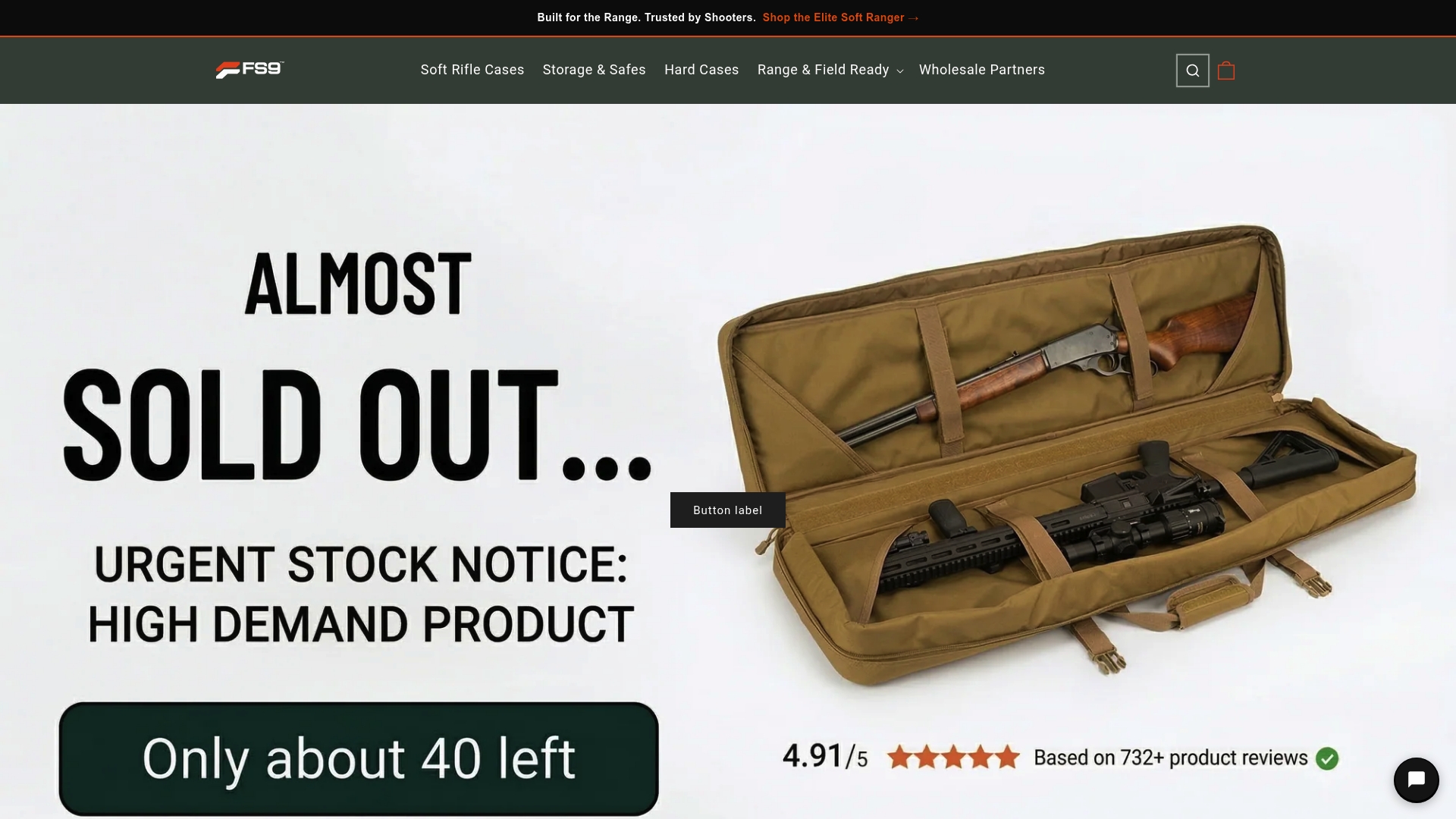
The 42-inch double soft rifle case fits two AR-15s or scoped rifles with lockable zippers for travel, while the 36-inch double soft rifle case suits shorter setups without sacrificing the padded divider and tie-down organization. Measure your rifles with optics attached before you order, and check the product page dimensions against that number rather than guessing off the case label. If you’re building out a broader kit, the 60-in-1 emergency survival kit pairs well with a rifle case for anyone prepping for extended field time. Head to the product page for your preferred size, confirm the dimensions fit your rifles, and place your order directly through Fs9tactical.
Sources
- Best Rifle Bags Of 2026 Hands-On - Top Firearm Reviews
- GPS Double Bolt Rifle Case Review: Transport Two Rifles - The Truth About Guns
- DULCE DOM Double Rifle Case Review 2026 - Bows Collective
- Safariland Dual Rifle Bag: Full Review - Inside Safariland
